If you have started noticing brown patches on your cheeks, forehead or the backs of your hands, you are far from alone. Dark spots are one of the most common skin concerns after the age of thirty, and they tend to show up just as the skin's natural collagen begins to decline. That overlap is exactly why so many people search for Native Path Collagen dark spots results — they want to know whether a simple daily collagen habit can help their skin look clearer, smoother and more even.
This guide walks through what NativePath Collagen Peptides actually are, why dark spots form in the first place, what the research says about collagen and skin, and how to build a realistic routine around it. No hype, no miracle promises — just the information you need to decide whether it belongs in your morning cup.
What Is NativePath Collagen?
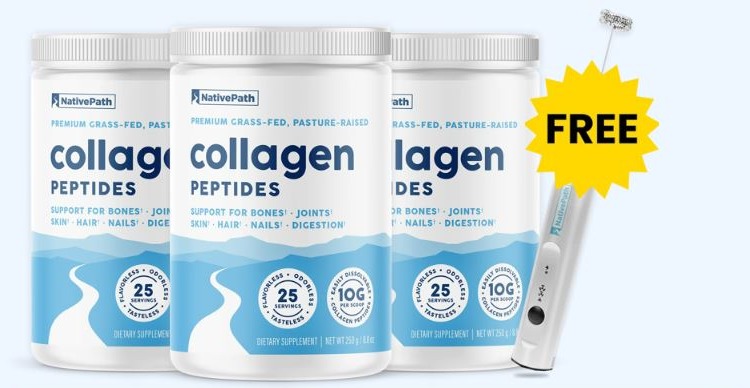
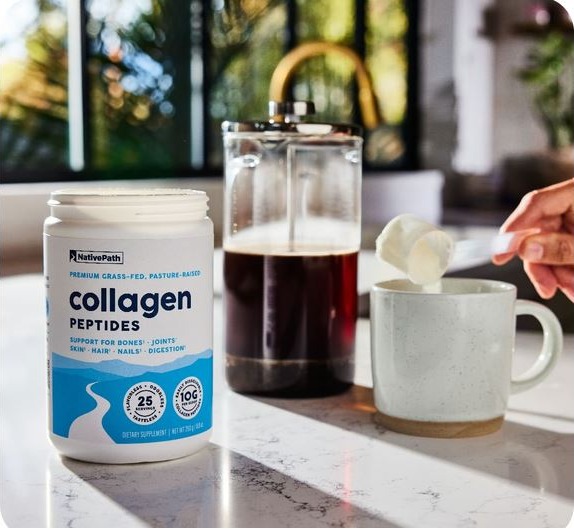
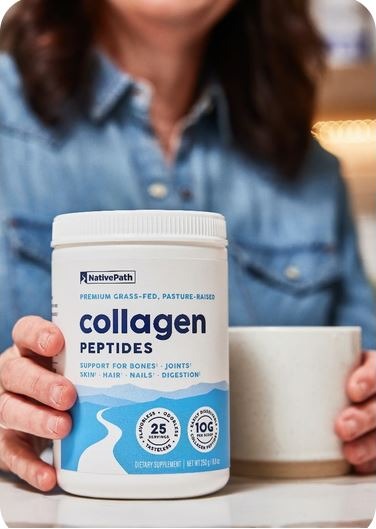
NativePath Collagen Peptides is a powdered dietary supplement made from premium grass-fed, pasture-raised bovine collagen. The collagen is hydrolyzed, meaning it has been broken down into small peptides that dissolve easily and are simple for the body to absorb. Each jar holds 250 grams of powder — 25 servings of 10 grams per scoop — and the label lists support for bones, joints, skin, hair, nails and digestion.
Bovine collagen is rich in type I and type III collagen, the two forms that make up the vast majority of the collagen in human skin. Type I gives skin its strength and structure, while type III supports flexibility and is especially abundant in younger skin. When you drink collagen peptides, your body digests them into amino acids and small di- and tri-peptides — notably glycine, proline and hydroxyproline — that serve as raw materials and signals for your own collagen-producing cells.
What Really Causes Dark Spots?
Before asking whether collagen helps, it is worth understanding what a dark spot actually is. Dark spots — also called hyperpigmentation, sun spots, age spots or liver spots — are areas where the skin has produced more melanin than the skin around it. Melanin is the pigment that gives skin its color and helps protect it from ultraviolet light. When pigment-producing cells called melanocytes become overactive, color collects in patches.
The most common triggers
- Sun exposure: UV light is the number-one driver. Years of unprotected sun time build up into the classic brown "age spots" on the face, chest and hands.
- Post-inflammatory marks: acne, bug bites, scratches or irritation can leave a flat, darker mark behind after the skin heals.
- Hormonal changes: pregnancy, birth control and menopause can trigger melasma, a patchy pigmentation often seen on the cheeks and upper lip.
- Aging skin: as we get older, skin renews more slowly, so pigmented cells linger at the surface longer and spots look more pronounced.
Notice that the last point connects directly to collagen. Thinner, drier, slower-renewing skin does not cause dark spots on its own, but it makes them more visible and slower to fade. That is where a collagen routine can play a supporting role.

Can Native Path Collagen Help With Dark Spots? The Honest Answer
Here is the straight truth: collagen is not a skin bleach or a pigment eraser. It does not switch off melanin production, and any website that promises a supplement will make dark spots vanish is overselling it. What collagen can do is support the overall quality of your skin — and better skin quality changes how pigmentation looks.
Multiple randomized, placebo-controlled studies on hydrolyzed collagen peptides have reported improvements in skin hydration, elasticity and density after roughly 8 to 12 weeks of daily use. Hydrated, plump skin has a smoother surface that reflects light more evenly, which makes the whole complexion look brighter. A healthier skin barrier also tends to be less reactive, which may mean fewer irritation-related marks over time.
Think of it this way: sunscreen and targeted topicals do the heavy lifting on the spots themselves, while collagen works on the canvas underneath. When the canvas is healthier, the whole picture looks more even. That combination — inside support plus outside protection — is the realistic way to approach NativePath Collagen for dark spots.
How NativePath Collagen Works in Your Skin
1. Supplies the building blocks
Every scoop delivers 10 grams of protein that is unusually rich in glycine, proline and hydroxyproline — the specific amino acids your body strings together to form new collagen fibers. These are not abundant in most everyday diets, which lean heavily on muscle meats.
2. Signals your skin cells
Research suggests certain collagen di-peptides, such as prolyl-hydroxyproline, reach the bloodstream and may act as messengers that encourage fibroblasts — the cells in the dermis that produce collagen and hyaluronic acid — to stay active.
3. Supports moisture and renewal
With a stronger collagen network and better moisture retention, skin tends to feel firmer and look more luminous. Healthy, steady cell turnover helps pigmented surface cells shed on time instead of lingering, which supports the fading work your topical products are doing.